
Editorial Standards
Our commitment to accuracy, integrity, and transparency in sports nutrition and hydration science.
At SportDietExpert, we believe that reliable information forms the foundation of better athletic performance. Our editorial standards ensure every article meets rigorous criteria for factual accuracy, expert review, and reader trust.
Our Editorial Principles
Scientific Rigor
All content is grounded in peer-reviewed research, published studies, and evidence-based guidelines from recognized sports science institutions. We cite our sources and distinguish between established facts and emerging findings.
Independence
Our editorial team operates independently from commercial interests. We do not accept payment for content placement and maintain clear separation between news coverage and any affiliate relationships.
Transparency
We disclose our sources, expert backgrounds, and any potential conflicts of interest. Readers deserve to know who wrote each article and what expertise informs its conclusions.
Accountability
When errors are discovered, we correct them promptly and clearly. Our corrections policy ensures readers know what changed and why, maintaining trust through honest acknowledgment of mistakes.
Our Fact-Checking Process
Research & Source Verification
Writers begin with established scientific databases including PubMed, Google Scholar, and Sport Discus. We prioritize peer-reviewed journals and research from accredited universities and research organizations.
Expert Review
Before publication, articles undergo review by subject matter experts—nutritionists, sports scientists, or exercise physiologists—who verify claims against current scientific consensus and identify any inaccuracies.
Citation & Attribution
All factual claims are attributed to their source. Specific findings include publication details, authors, and year. General knowledge does not require citation, but novel or surprising claims always do.
Final Editorial Review
A senior editor performs final quality check for accuracy, clarity, tone, and consistency with our editorial guidelines before the article is published.
Our Editorial Leadership
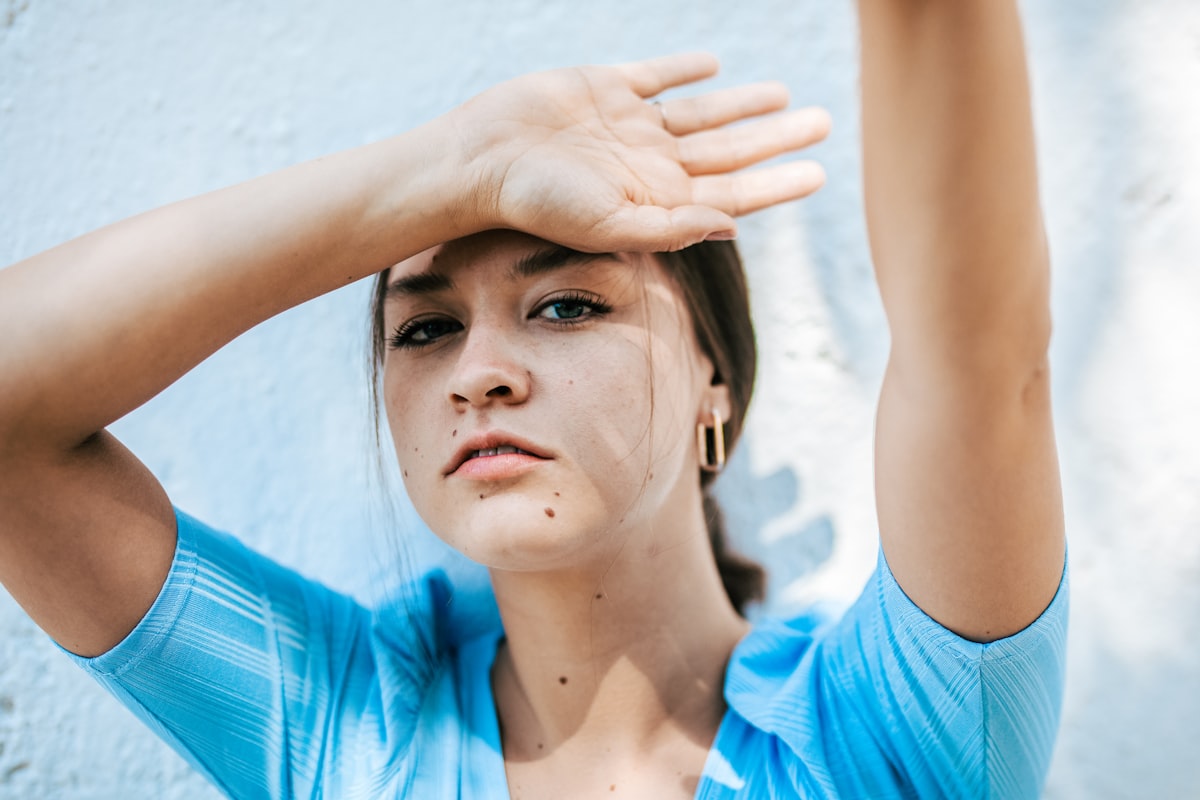
Sarah Mitchell
Editor-in-Chief
Sport dietitian with 12 years of experience in athletic nutrition research and performance optimization. PhD in Exercise Physiology, published in 15+ peer-reviewed journals.
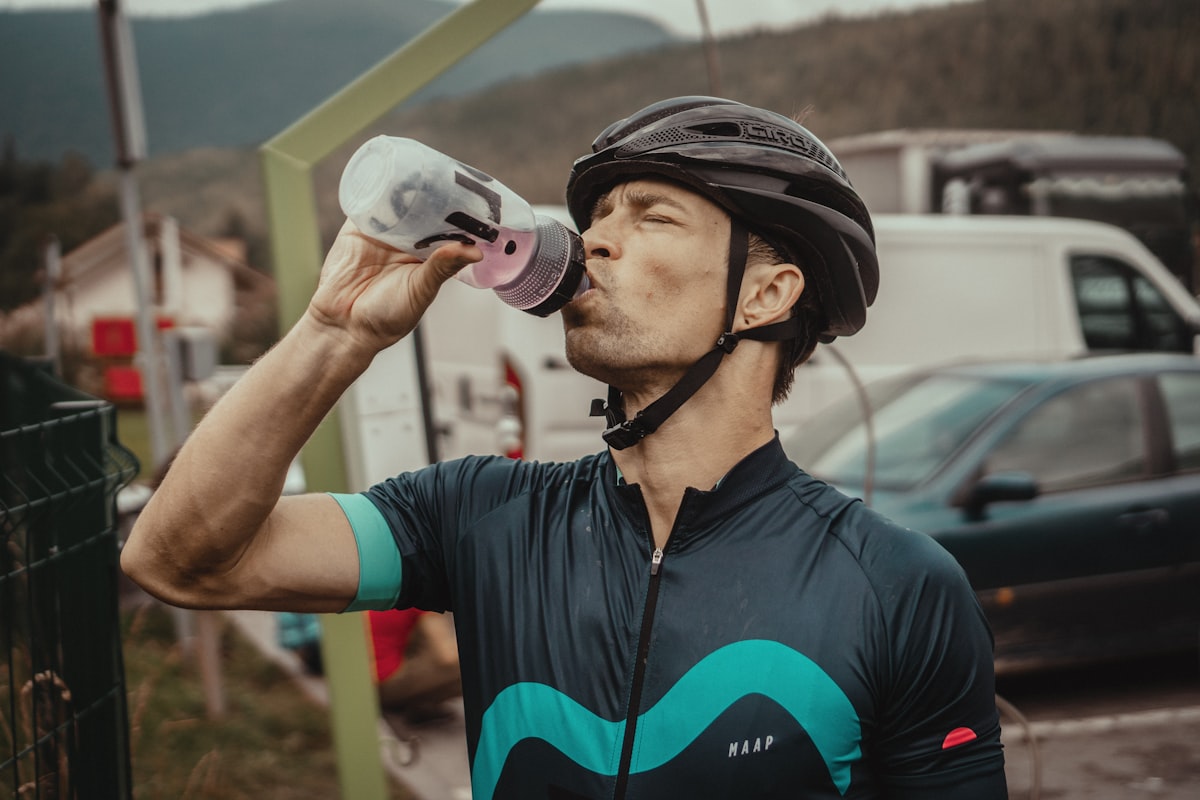
Prof. James Chen
Science Editor
Exercise scientist and university lecturer specializing in sports hydration and electrolyte physiology. Conducts original research and reviews all sports science content for accuracy.
Lisa van der Merwe
Managing Editor
Nutritionist and communications specialist based in South Africa. Ensures editorial consistency, manages fact-checking workflow, and oversees all content revisions and corrections.
Advisory Board
Our editorial team consults with a broader advisory board of sports nutrition experts, exercise physiologists, and research specialists from South African universities and international sports science organizations. This ensures our content reflects the latest evidence and diverse expert perspectives.
Corrections Policy
What We Correct
We promptly correct factual errors, including incorrect citations, misquoted statistics, or inaccurate scientific information. We also fix typographical and grammatical errors that affect clarity.
- Scientific inaccuracies or misrepresented research findings
- Incorrect citations or attribution errors
- Numerical errors, misquoted data, or wrong statistics
- Outdated information superseded by newer research
- Significant typos or clarity issues affecting meaning
How We Mark Corrections
When we make a correction, readers are informed clearly. Every corrected article includes a note at the top or bottom stating what changed, when the change was made, and why. Example:
We do not delete original articles or hide corrections. Instead, we update the content and document the change so readers can understand what was modified and why.
Report an Error
If you believe you've found a factual error in our content, we welcome your feedback. Please contact our editorial team with specific details about the claim you believe to be inaccurate, the source material that contradicts it, and a link to the article in question.
Send corrections to:
Please include the article title, specific quote or claim, the correction needed, and your source. Our team reviews all corrections within 5 business days.
Corrections vs. Updates
We distinguish between a correction (fixing an error in the original article) and an update (adding new information because the field has advanced).
Corrections
Fix factual mistakes in what was originally published. Usually because our fact-checking missed something or the writer made an error.
Updates
Add new information as science evolves. The original article was correct when published, but new research now provides additional insight or newer guidance.
Our Commitment
We recognize that corrections are a normal and necessary part of responsible journalism and science communication. Every error caught and fixed strengthens our credibility and better serves readers. We do not shy away from corrections—we see them as evidence of our commitment to accuracy.
Questions About Our Standards?
If you'd like to know more about our editorial process or have questions about how we review content, please reach out to our team.
Learn MoreRelated Resources
Disclaimer
Read our disclaimer to understand how our content should be used and interpreted in context of your personal situation.
Privacy Policy
Understand how we collect, use, and protect your data when you visit or interact with our editorial content.
Frequently Asked Questions
Browse common questions about our articles, hydration science, and sports nutrition guidance.