
Hydration and Athletic Performance
Discover evidence-based insights on how proper hydration enhances sports performance, recovery, and endurance. Your complete guide to optimizing fluid intake for athletic excellence.
Featured: Comprehensive hydration challenge for athletic teams and individual athletes

Why Hydration Matters for Athletes
Proper hydration is the foundation of athletic performance. When your body maintains optimal fluid balance, your cardiovascular system works more efficiently, oxygen delivery to muscles improves, and core temperature regulation becomes more stable. Dehydration can impair performance, reduce strength, decrease endurance capacity, and impact mental focus—factors that determine success in competitive sports.
Research shows that even mild dehydration (2-3% of body weight loss) can negatively affect physical performance, thermoregulation, and cognitive function. Athletes who maintain consistent hydration strategies experience better recovery times, reduced muscle cramping, and sustained energy levels throughout training sessions and competitions.
Beyond performance, proper hydration supports nutrient absorption, waste removal through kidneys, joint lubrication, and temperature control. Understanding your individual hydration needs based on sport type, climate conditions, and personal sweat rate is essential for maximizing athletic potential.
Hydration Benefits for Sports Performance
Enhanced Endurance
Optimal hydration maintains blood volume and allows your cardiovascular system to deliver oxygen and nutrients effectively throughout extended training sessions and competitions.
Temperature Control
Proper fluid intake enables efficient thermoregulation through sweating, preventing overheating and maintaining core body temperature during intense physical activity.
Improved Strength
Hydrated muscles maintain optimal contractility and power output. Dehydration directly reduces force generation and athletic capacity, making consistent fluid intake critical for performance.
Mental Focus
Your brain is approximately 75% water. Dehydration impairs cognitive function, decision-making, and concentration—all essential for competitive performance and tactical excellence.
Optimal Hydration Protocol
Pre-Activity Hydration
Begin hydration several hours before exercise by drinking 400-600ml (14-20 oz) of fluid. About 2-3 hours before activity, consume another 200-300ml. This allows time for absorption and urine production to stabilize before performance begins.
During-Activity Hydration
For activities lasting over 60 minutes, consume 150-250ml (6-8 oz) of fluid every 15-20 minutes. Include carbohydrates (6-8% solution) and electrolytes for extended efforts. Match fluid intake as closely as possible to sweat losses based on individual factors and environmental conditions.
Post-Activity Rehydration
After exercise, rehydrate with 150% of fluid lost over 4-6 hours. If you lost significant weight during activity, drink 1.5 liters of fluid with sodium and carbohydrates. This overconsumption accounts for urine production and ensures complete rehydration before the next training session.
Daily Baseline Hydration
Outside of training, maintain consistent daily hydration based on individual needs. Monitor urine color (pale yellow indicates adequate hydration) and adjust intake based on climate, altitude, training load, and personal response. Individual sweat rates vary significantly and should be established through testing.
Hydration Solutions Overview
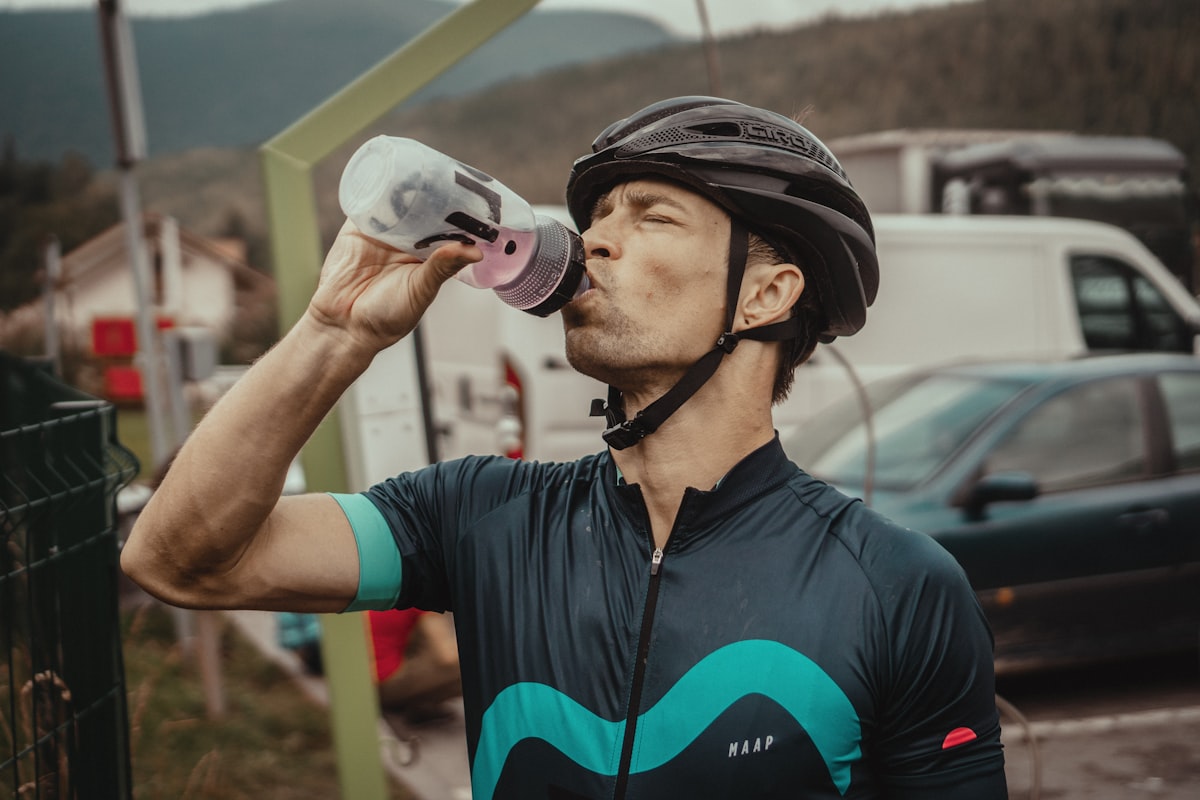
Electrolyte Solutions
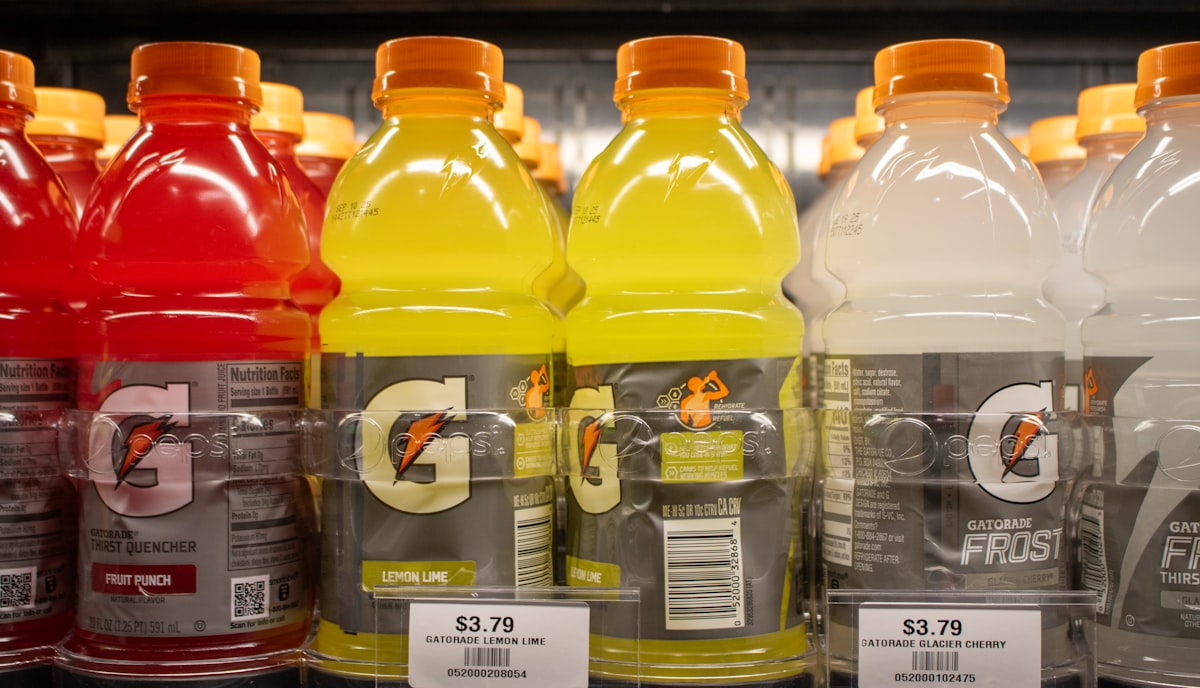
Sports beverages containing sodium, potassium, and carbohydrates (6-8% CHO) enhance fluid absorption, maintain plasma osmolality, and delay fatigue. Electrolytes are particularly important for activities exceeding 60 minutes or in hot conditions where sweat losses are significant.
- Enhanced absorption rate
- Maintains sodium balance
- Delays fatigue development
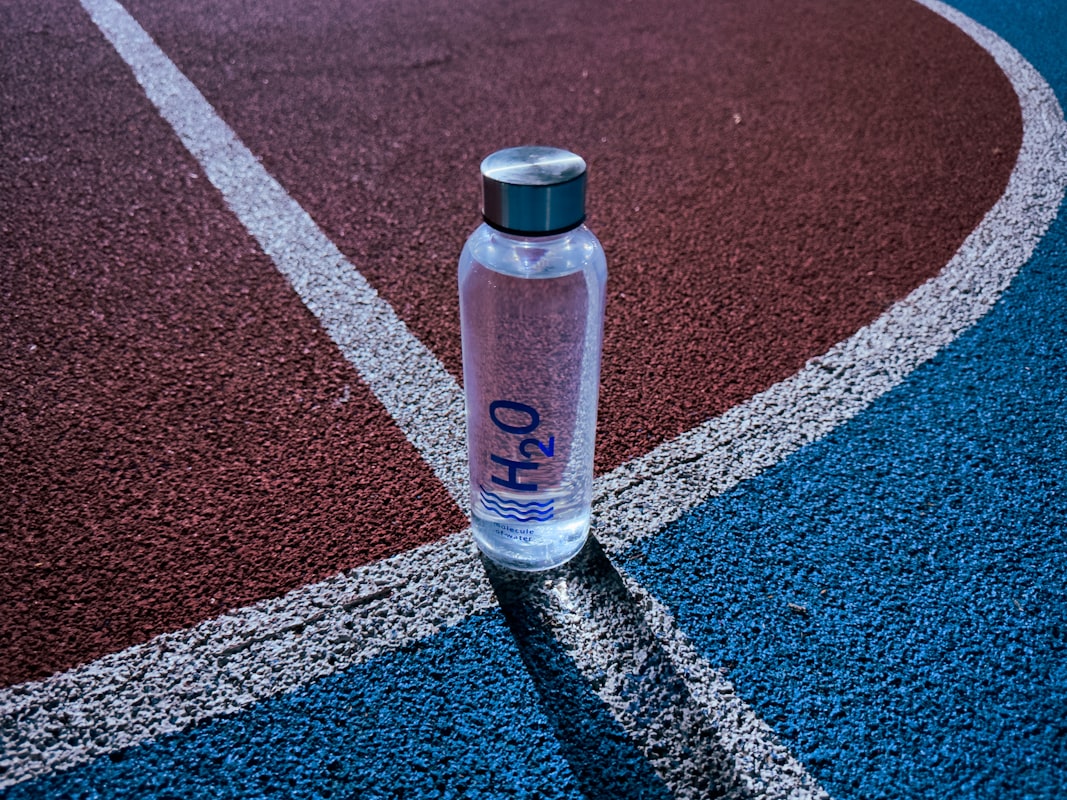
Pure Water Hydration
For activities under 60 minutes or low-intensity training, plain water is effective for maintaining hydration. It's cost-effective, palatable, and poses no osmotic stress to the gastrointestinal system. Pair with food containing sodium for post-exercise recovery.
- Cost-effective option
- Easy to consume regularly
- Zero calories
Hydration in Athletic Practice
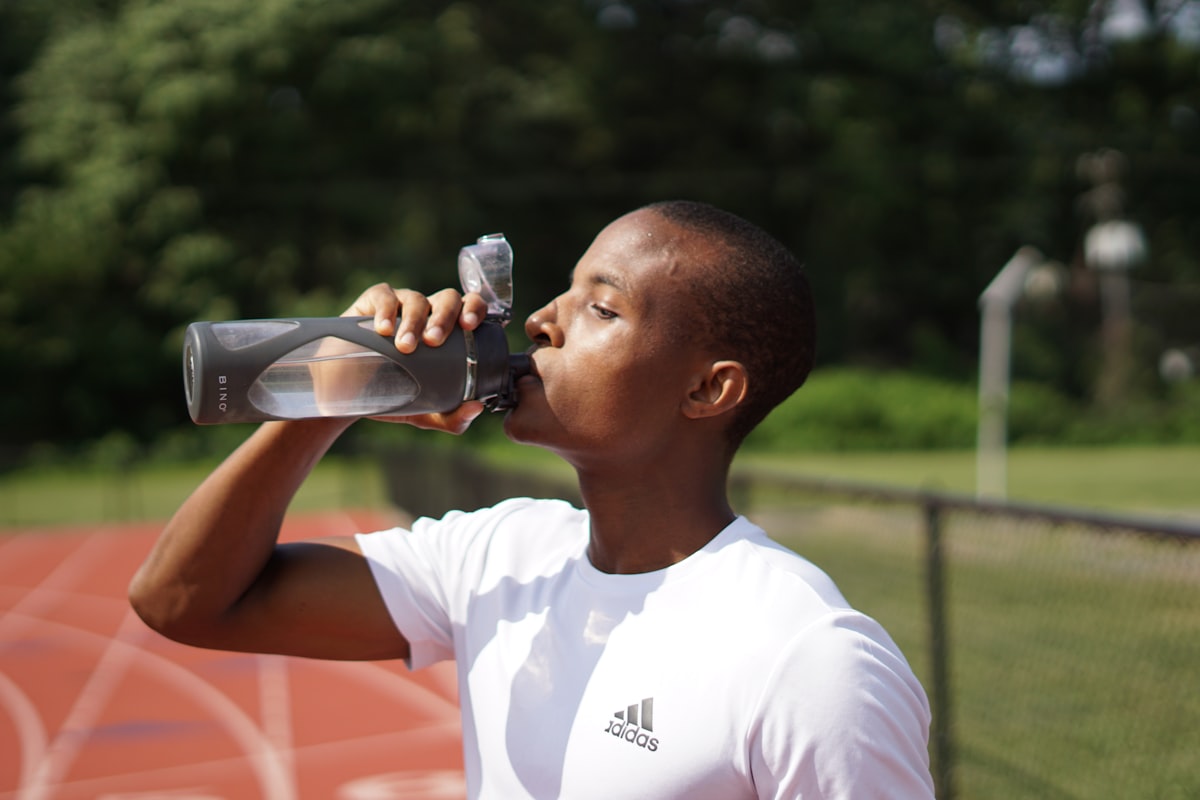
Endurance Sports
Marathons and distance events require strategic fluid replacement every 15-20 minutes to maintain performance over extended durations.
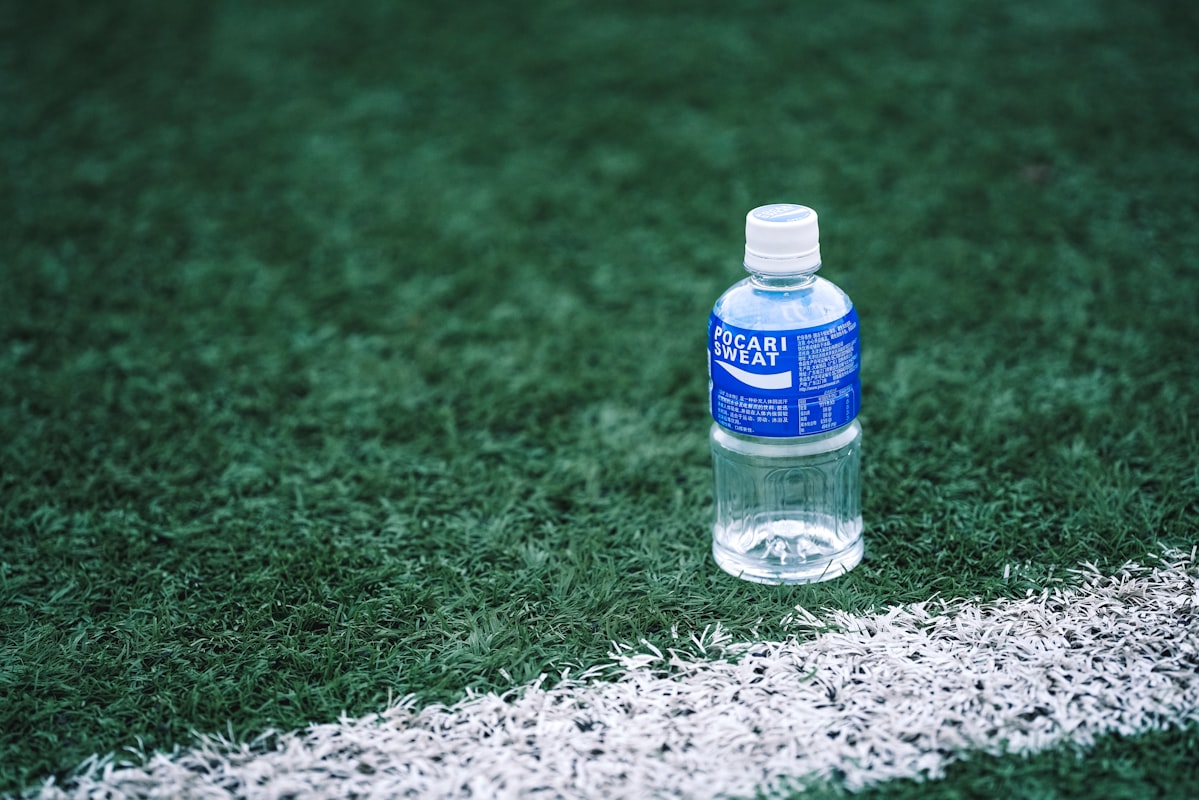
Team Sports
Soccer, basketball, and rugby require frequent hydration breaks. Athletes should hydrate every few minutes when possible to offset intermittent high-intensity efforts.
Cycling Performance
Cyclists benefit from easily accessible hydration systems. Proper fluids with carbohydrates maintain power output during long rides and races.
What Athletes and Coaches Say
"Understanding my individual hydration needs completely transformed my marathon performances. After implementing the protocols from Sportdietexpert, my finishing times improved significantly, and I experienced less cramping and fatigue. The science-based approach gives me confidence that I'm optimizing every aspect of my preparation."
James Mitchell
Marathon Runner, Cape Town
"Our rugby team improved hydration consistency across all players. Recovery times between matches decreased, and we noticed fewer muscle cramps during intense training sessions. The detailed hydration protocol is easy to implement and has become part of our standard pre-match preparation."
David Koala
Rugby Coach, Johannesburg
"As a cycling coach, I've recommended Sportdietexpert's hydration guidance to all my athletes. The science-based approach to fluid intake during long rides has measurably improved power output and recovery. Athletes appreciate the clear, practical protocols that are easy to implement during training."
Sarah Chen
Cycling Coach, Durban
"I struggled with proper hydration strategy during competitive soccer matches until I read the comprehensive guides. Now I understand how to adjust my intake based on temperature, match intensity, and my personal sweat rate. My endurance and decision-making in the final minutes have noticeably improved."
Thabo Reeves
Professional Footballer, Pretoria
Common Hydration Questions
For a 90-minute match, aim to consume 150-250ml (6-8 oz) of fluid every 15-20 minutes, if opportunities allow for hydration breaks. This typically means 450-750ml (15-25 oz) total during the match, depending on temperature, humidity, and individual sweat rate. Choose a sports beverage containing carbohydrates (6-8%) and electrolytes, particularly sodium, to enhance absorption and performance. Monitor your urine color and body weight loss; ideally, you should lose no more than 2% of body weight during competition.
Stay Updated on Hydration Science
Subscribe to receive articles on sports nutrition, hydration strategies, and athletic performance insights from Sportdietexpert.
For content feedback and article inquiries: [email protected]
Ready to Optimize Your Athletic Performance?
Explore our comprehensive guides on hydration protocols, sports nutrition, and evidence-based strategies to enhance your athletic potential. Our editorial team has compiled detailed articles and resources to support your training journey.
Have questions about our content? Send us feedback